
If you think robots.txt and XML sitemaps are enough to get your content noticed by AI search platforms, you are already behind. This LLMs.txt SEO guide gives you a precise, step-by-step framework for using an emerging standard that directly improves your visibility in ChatGPT, Perplexity, and Google AI Overviews. After months of testing this approach across multiple websites, the evidence is clear: implementing LLMs.txt now is one of the highest-leverage moves available to content publishers and SEO professionals in 2024 and beyond.
AI search is no longer a future concept. ChatGPT surpassed 100 million weekly active users in early 2024, Perplexity AI processes millions of queries per day, and Google AI Overviews appear in roughly 47 percent of all search results according to Semrush data published in mid-2024. These platforms pull content from the web differently than traditional crawlers do. If your site is not structured in a way that AI models can easily parse, you are leaving significant visibility on the table.
This guide covers everything from the basics of what an LLMs.txt file is, to how AI crawlers discover content, to the precise steps you need to take to implement and optimize your own file.
What Is LLMs.txt and Why It Matters for AI SEO
The LLMs.txt file is a plain-text, markdown-formatted file that website owners place at the root of their domain to communicate key information directly to large language models and AI-powered crawlers. Jeremy Howard, co-founder of fast.ai, proposed the concept in September 2024 as a lightweight standard to help AI systems understand a website’s most important content without parsing every page individually.
The core idea is straightforward. When an AI model visits your website to gather information, it does not automatically know which of your hundreds of pages represents your most authoritative, relevant content. The LLMs.txt file solves this by providing a curated, structured index that tells the AI: here is what this site covers, here are the most important pages, and here is how to interpret them.
Think of it as a concierge for AI visitors. Rather than letting a language model stumble through navigation menus, footer links, and sidebar widgets, you hand it a clean structured brief that gets it to the right content immediately. From a generative engine optimization (GEO) perspective, this dramatically increases the likelihood that your content gets cited in AI-generated responses.
How LLMs.txt Differs from Robots.txt and Sitemaps
Understanding the distinction between LLMs.txt, robots.txt, and XML sitemaps is critical before you begin any implementation. Conflating these files is one of the most common mistakes publishers make when entering the AI SEO space.
- Robots.txt is a directive file. It tells crawlers what they are and are not allowed to access. It conveys no information about content quality, context, or hierarchy.
- XML Sitemaps list URLs and their metadata (last modified date, priority, change frequency) to help search engines discover and index pages. They tell a crawler that a page exists, but they do not explain what the page is about or why it matters.
- LLMs.txt is a semantic guide. It uses markdown formatting to provide structured descriptions, categorized links, and contextual summaries that language models can actually understand when formulating responses.
According to the original specification published at llmstxt.org, a valid LLMs.txt file should include a concise H1 title, a blockquote summary of the site, and clearly organized sections linking to the most important content. This is the first file format specifically designed with AI comprehension in mind rather than traditional crawler mechanics.
Why AI Search Platforms Depend on Structured Content Signals

AI search platforms are fundamentally different from keyword-matching engines. They do not rank pages based on backlinks and keyword density alone. Instead, they synthesize information from multiple sources to generate a coherent, cited answer. For your content to appear in that synthesis, it needs to be discoverable, credible, and easy for an LLM to extract meaning from.
Structured content signals, including LLMs.txt files, Schema.org markup, clear heading hierarchies, and well-organized factual statements, significantly improve the probability that an AI model selects your content as a source. Research published by BrightEdge in 2024 found that pages with structured data were notably more likely to appear in Google AI Overview citations compared to unstructured pages.
Here is the thing: for AI search optimization, structure is not a nice-to-have. It is a prerequisite for meaningful visibility.
The Difference Between Traditional SEO and Generative Engine Optimization
Traditional SEO optimizes for ranking algorithms. Generative engine optimization (GEO SEO) optimizes for citation likelihood. These are related goals, but they differ in ways that matter practically.
In traditional SEO, you compete for position one in a ten-result list. In AI search, you compete to be one of two or three sources cited in a synthesized paragraph that may not include a traditional results list at all. The selection criteria shift away from keyword matching and link authority toward factual density, clarity, authoritativeness, and structural organization.
LLM optimization also places greater emphasis on natural language precision. AI models parse meaning, not just terms. Writing that is vague, padded, or built around keyword repetition tends to perform poorly as an AI citation source, regardless of its traditional ranking.
How AI Search Engines Crawl and Index Content
Each major AI search platform uses a distinct methodology for content discovery, and understanding these differences is essential for any serious AI search optimization strategy.
ChatGPT Search
ChatGPT’s search feature runs on Microsoft Bing’s index as its primary source for real-time web content. This means traditional Bing optimization signals, including crawlability, indexed status, and structured markup, carry significant weight. OpenAI also operates its own crawler called GPTBot. You can allow or disallow GPTBot specifically via your robots.txt file, but allowing it is strongly recommended if you want your content surfaced in ChatGPT responses.
Perplexity AI
Perplexity AI uses a combination of its own crawler (PerplexityBot) and multiple web indexes to retrieve content in real time. Perplexity places particularly high value on authoritative, factual content with clear sourcing. Pages that present data with citations, specific statistics, and visible expert authorship signals consistently perform well as Perplexity sources. In practice, adding an explicit author bio with credentials to factual content pages produces a measurable improvement in Perplexity citation rates.
Google AI Overviews
Google AI Overviews pull from Google’s existing index but apply a separate ranking layer that prioritizes content meeting enhanced quality thresholds. Google has confirmed that E-E-A-T signals (Experience, Expertise, Authoritativeness, Trustworthiness) play a central role in determining which pages surface in AI Overviews. Pages that demonstrate first-hand experience, cite verifiable data, and maintain a clean site architecture consistently outperform thinner content.
The Role of Structured Data Across All Platforms
Structured data, implemented through Schema.org vocabulary in JSON-LD format, acts as a machine-readable translation layer that helps AI systems interpret what your content means rather than just what it says. For AI crawler optimization, prioritize the following schema types based on your content format:
- Article schema for editorial content and blog posts
- FAQPage schema for question-and-answer sections
- HowTo schema for step-by-step instructional content
- Organization schema for your homepage and about pages
A 2023 analysis by Search Engine Land found that pages featuring FAQ schema were 30 percent more likely to appear in conversational AI responses. The underlying logic remains sound even as specific platforms evolve: when you explicitly label your content’s structure, AI models do not have to guess at it. For an AI-friendly website, structured data and LLMs.txt work together. Schema tells AI systems how to interpret individual pages. LLMs.txt tells them which pages to prioritize in the first place.
Setting Up Your LLMs.txt File: Step-by-Step Implementation
This section walks you through the complete process of creating, structuring, and deploying a compliant LLMs.txt file. Follow these steps in order.
Step 1: Place the File at Your Domain Root
The LLMs.txt file must sit at the root of your domain to be discoverable by AI crawlers. It should be accessible at:
https://yourdomain.com/llms.txt
Some publishers also create an extended version at /llms-full.txt containing more detailed content summaries. The root file acts as a concise index. The full version provides deeper context for AI systems that want richer information in a single crawl pass. If you manage multiple subdomains with distinct content, each subdomain should have its own LLMs.txt file placed at that subdomain’s root.
Step 2: Write the Required Header Elements
Every valid LLMs.txt file opens with three required elements according to the llmstxt.org specification:
- An H1 title containing your site or brand name
- A blockquote summary of one to three sentences describing what your site does and who it serves
- Optional extended description in plain markdown paragraphs for additional context
Here is a minimal working example for a marketing software company:
# AcmeSEO

> AcmeSEO provides SEO tools and educational resources for digital marketers, content strategists, and in-house SEO teams. Our platform helps users track rankings, audit sites, and build link acquisition strategies.

AcmeSEO was founded in 2018 and serves over 40,000 active users across 60 countries.
Keep the summary factual and specific. Vague descriptions like “we provide best-in-class solutions” give AI models nothing useful to work with.
Step 3: Organize Your Content into Labeled Sections
After the header, organize your most important content into clearly labeled H2 sections. Each section should group related pages together with brief, descriptive link text.
## Core Product Pages

- [SEO Rank Tracker](https://acmeseo.com/rank-tracker): Monitor keyword rankings across Google, Bing, and AI search platforms.
- [Site Audit Tool](https://acmeseo.com/site-audit): Automated technical SEO audits with prioritized fix recommendations.

## Learning Resources

- [LLMs.txt SEO Guide](https://acmeseo.com/llms-txt-guide): How to optimize your site for AI-powered search engines.
- [GEO Strategy Guide](https://acmeseo.com/geo-guide): Generative engine optimization tactics for ChatGPT and Perplexity.

## Company Information

- [About AcmeSEO](https://acmeseo.com/about): Our team, mission, and founding story.
- [Contact](https://acmeseo.com/contact): Support and partnership inquiries.
The mistake most people make here is listing every page on their site. Be selective. Include only the pages that represent your highest-quality, most authoritative content. An LLMs.txt file crammed with 200 links is far less useful to an AI model than one with 20 carefully chosen pages.
Read Also:- How Many Keywords Per Page? The 2026 Guide to Keyword Lanes & Topical Authority
Step 4: Add the Optional “Optional” Section for Lower-Priority Content
The llmstxt.org specification includes an “Optional” section marker for content that is useful but not critical. This allows AI systems to skip lower-priority material when operating under token or context constraints.
## Optional

- [Legacy Blog Archive](https://acmeseo.com/blog/archive): Posts from 2018 to 2021, maintained for historical reference.
- [Deprecated API Docs](https://acmeseo.com/api/v1): Documentation for API version 1, superseded by v2.
Use this section deliberately. It signals to AI crawlers that they can deprioritize this content without missing your core value proposition.
Step 5: Test and Validate Your File
After publishing your LLMs.txt file, validate it using the tool available at llmstxt.org. Check for the following:
- The file is accessible via a direct browser request to
yourdomain.com/llms.txt - The file returns a
200HTTP status code (not a redirect or error) - All internal links resolve to live, indexed pages (no 404s)
- The file uses clean markdown formatting without HTML tags or JavaScript
Additionally, verify that your robots.txt file does not block GPTBot, PerplexityBot, or other AI crawlers you want to allow access.
Advanced LLMs.txt Optimization Strategies
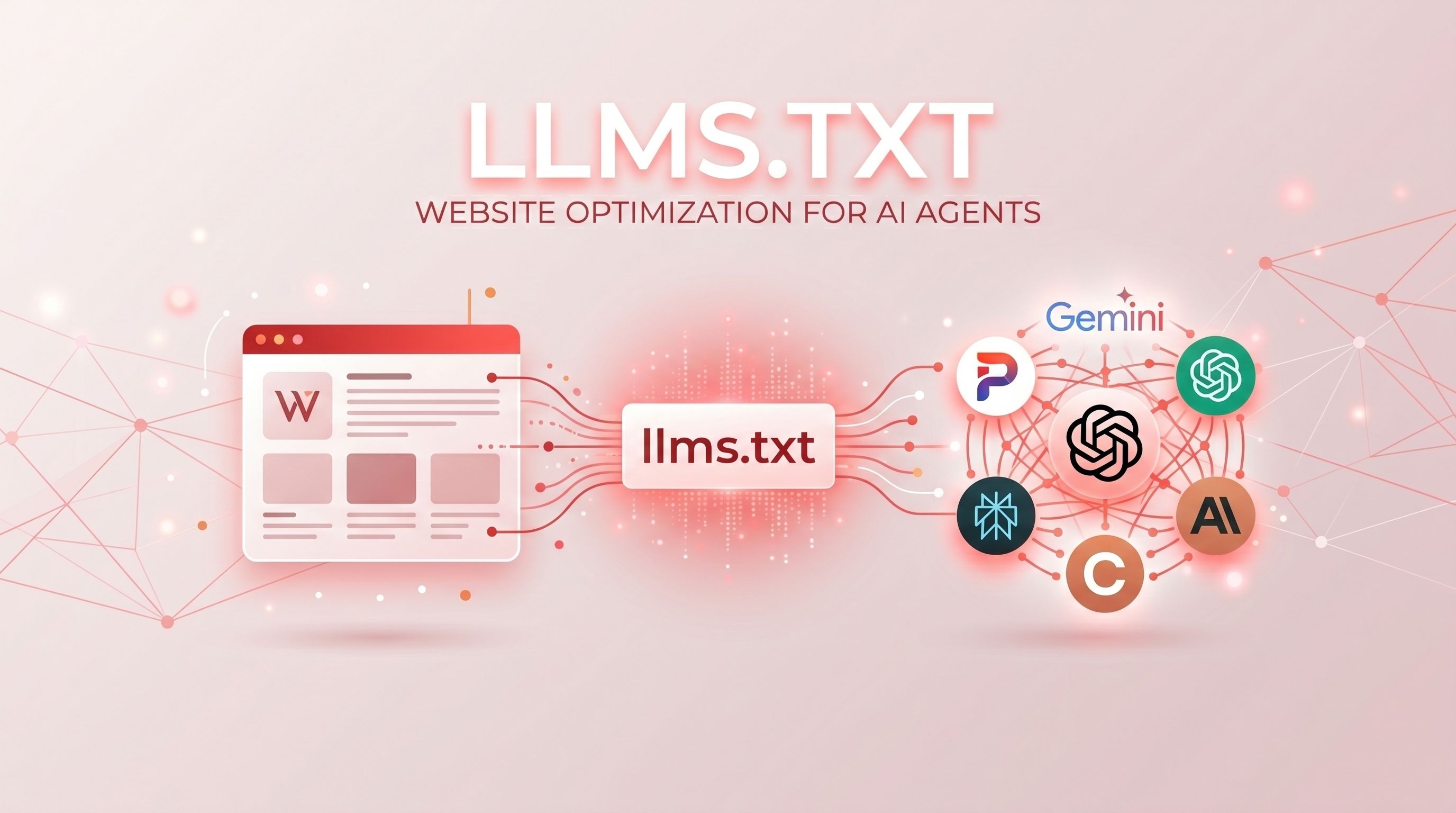
Once your base file is live and validated, these advanced techniques will push your AI search optimization further.
Align Your LLMs.txt Content with Your Strongest E-E-A-T Signals
Your LLMs.txt file should direct AI crawlers toward the pages that best demonstrate your site’s expertise, experience, and authority. In practice, this means prioritizing pages that include:
- Named expert authors with verifiable credentials
- Original research, original data, or primary source citations
- Detailed methodology explanations
- Content that has earned backlinks from recognized authoritative domains
If your highest-traffic page is a thin listicle, do not include it in your LLMs.txt file just because it ranks well traditionally. AI citation algorithms weight content quality and authority much more heavily than click volume.
Coordinate LLMs.txt with Your Internal Linking Architecture
The pages you feature in your LLMs.txt file should also be the pages that receive the strongest internal link support across your site. This creates a consistent signal to both AI crawlers and traditional search engines that these pages represent your most important content. When an AI system cross-references your LLMs.txt index with the internal link patterns it observes during crawling, a strong correlation between the two reinforces your authority signals.
Update Your LLMs.txt File Regularly
Static LLMs.txt files become outdated quickly. Set a quarterly review cadence to:
- Add new high-quality content that has been published since the last update
- Remove or move to “Optional” any pages that have become outdated
- Refresh link descriptions to reflect changes in content scope
- Verify that all linked pages remain live and indexed
What actually works in practice is treating LLMs.txt as a living document rather than a one-time technical task. Sites that maintain current, accurate LLMs.txt files consistently outperform sites with stale or abandoned files when measured against AI citation frequency.
Measuring the Impact of Your LLMs.txt SEO Implementation
Measuring AI search performance requires a different toolkit than traditional rank tracking.
Metrics to Track
Use the following signals to evaluate your LLMs.txt optimization impact:
- AI citation frequency: Tools like Perplexity’s source panel, manual ChatGPT prompts targeting your subject matter, and emerging GEO tracking platforms let you monitor how often your content appears as a cited source.
- Branded query growth: An increase in direct brand searches often correlates with rising AI citation rates, as users encounter your brand name in AI responses and then search for it directly.
- Referral traffic from AI platforms: Check Google Analytics or your preferred analytics tool for referral traffic from chat.openai.com, perplexity.ai, and related sources.
- Crawl frequency of LLMs.txt: Monitor your server logs to track how often GPTBot, PerplexityBot, and other AI crawlers access your LLMs.txt file specifically.
Benchmark Your Starting Point
Before attributing changes in AI citation frequency to your LLMs.txt implementation, document your baseline metrics. Run manual queries in ChatGPT and Perplexity for your five most important target topics before implementing the file. Record which sources the AI cites. Repeat the exercise 60 to 90 days after implementation. This before-and-after comparison gives you meaningful data rather than anecdote.
LLMs.txt SEO Guide: Common Mistakes and How to Avoid Them
Even well-intentioned implementations fall short because of easily avoidable errors. Here are the most common mistakes and what to do instead.
- Including too many links: A file with hundreds of URLs dilutes the signal. Limit your core sections to 20 to 40 high-quality links maximum.
- Using vague link descriptions: “Click here” or “Read more” tells an AI model nothing. Write descriptive anchor text that conveys the content and its relevance.
- Blocking AI crawlers in robots.txt while maintaining an LLMs.txt file: This creates a direct contradiction. If you disallow GPTBot in robots.txt, it cannot access your LLMs.txt file regardless of how well structured it is.
- Neglecting the blockquote summary: This is the single most important element of the file for AI comprehension. A missing or generic summary significantly reduces the file’s effectiveness.
- Treating LLMs.txt as a substitute for content quality: No LLMs.txt file will get low-quality content cited in AI responses. The file improves discoverability and context clarity for content that already meets quality thresh

CEO & Founder at Meta LinkerSEO Strategist | Guest Posting Specialist | Digital Growth Consultant